
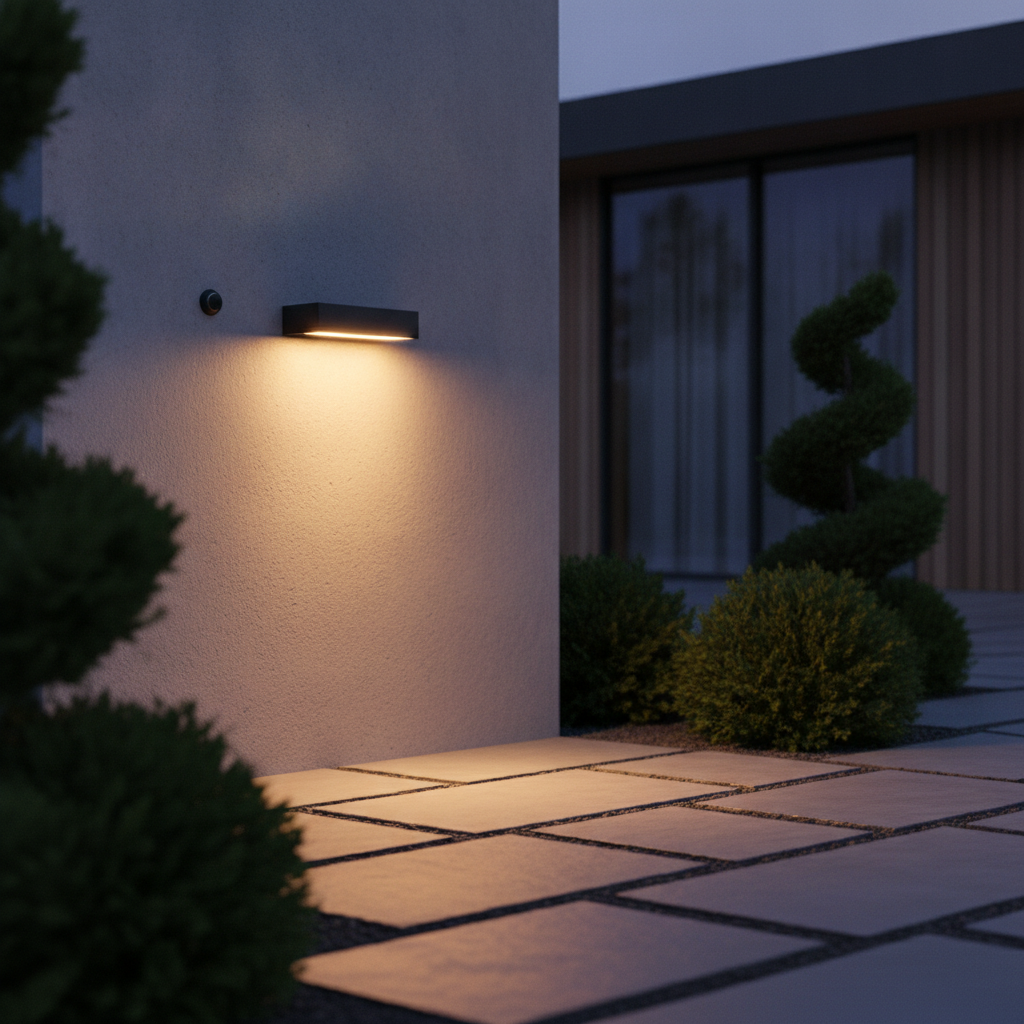
Outdoor lighting has become an essential feature for small business owners, developers, and residents looking to enhance safety, security, and curb appeal. As technology advances, motion sensors are transforming the way lighting installation in Cicero and the surrounding region delivers performance and efficiency. By detecting movement and activating lights only when needed, motion sensors offer a smart solution that saves energy, deters unwanted visitors, and ensures well-lit exteriors. In this article, we’ll explore how motion sensors can elevate your exterior lighting strategy, the benefits they bring to local properties, and practical tips for integrating them into your next project. Whether you’re new to smart lighting or seeking to upgrade existing fixtures, understanding the potential of motion sensors can help you make informed decisions that benefit your business or home.
How Motion Sensors Work in Outdoor Lighting
Motion sensors are devices that detect movement within a certain range and trigger a response, such as turning on a light. In exterior lighting systems, these sensors use infrared technology to sense heat from moving objects, like people or vehicles. Once movement is detected, the connected lights automatically illuminate, providing instant visibility. This technology is especially useful for entryways, parking lots, walkways, and other areas where lighting is only needed intermittently. By automating when lights turn on and off, motion sensors help minimize wasted energy and reduce utility costs. For property owners seeking a seamless upgrade, working with professionals like Neave Electric Inc ensures correct sensor placement and reliable performance, maximizing the benefits of this smart technology.
Key Benefits of Motion Sensor Lighting for Security
Security is a top priority for many property owners, and motion sensor lighting offers a proactive way to deter trespassers and enhance safety. When lights activate in response to movement, it draws attention to activity around your property, often discouraging potential intruders. Additionally, well-lit exteriors help staff, customers, and visitors feel safer during evening hours. Motion sensors can be integrated with other security measures, such as cameras or alarms, creating a comprehensive protection system. If you’re considering an upgrade, visit our site to learn how professional electricians can design and install a system tailored to your specific security needs.
Energy Efficiency and Cost Savings with Smart Lighting
One of the most compelling reasons to incorporate motion sensors into your exterior lighting is the potential for energy savings. Traditional lighting that remains on all night can significantly increase electricity bills. In contrast, motion-activated lights only use power when necessary, reducing overall consumption. This not only lowers costs but also extends the lifespan of bulbs and fixtures. For those interested in sustainable solutions, combining LED technology with motion sensors offers the ultimate in efficiency. To ensure your system is installed correctly and operates at peak performance, consult a Lighting Installation Electrician in Syracuse, NY who understands the latest advancements in smart lighting technology.
Designing an Effective Motion Sensor Layout
A successful motion sensor lighting system depends on thoughtful placement and configuration. Sensors should be positioned to cover high-traffic areas, such as entrances, driveways, and pathways, without causing nuisance activations from passing cars or wildlife. Adjustable sensitivity and timer settings allow you to customize how long lights remain on after detecting movement. It’s also important to select fixtures that are compatible with motion sensors and designed for outdoor use. For more insights on integrating motion sensors with other lighting features, check out Cicero Ceiling Fan and Light Installation: What Homeowners Should Know for tips that apply to both indoor and outdoor projects.
Enhancing Aesthetics and Functionality with Motion-Activated Fixtures
Motion sensor lighting isn’t just about security and efficiency, it can also enhance the visual appeal of your property. Modern motion-activated fixtures come in a range of styles, finishes, and brightness levels, allowing you to highlight architectural features, landscaping, or signage. Strategic placement can create dramatic lighting effects that welcome guests and improve nighttime navigation. For inspiration on creating inviting environments, explore Cicero Lighting Installation for Dining Rooms: Creating the Right Mood for Every Occasion and consider how similar principles can be applied outdoors for a cohesive look.
Comparing Motion Sensor Technologies
Motion sensors for exterior lighting come in several types, each with unique strengths. Passive infrared (PIR) sensors are the most common, detecting heat from moving objects. Microwave sensors emit waves that bounce off objects, making them effective for larger areas but more prone to false triggers. Dual-technology sensors combine both methods for increased accuracy. Understanding these differences helps you choose the right solution for your property’s needs. For areas with frequent wildlife or heavy traffic, opting for adjustable or dual-technology sensors can reduce unnecessary activations and improve reliability.
Installation Considerations for Reliable Performance
Proper installation is crucial for motion sensor lighting to function as intended. Sensors should be mounted at the correct height and angle to maximize coverage while minimizing false alarms. Weatherproof fixtures and secure wiring protect the system from moisture, dust, and temperature fluctuations. It’s also important to test the system at different times of day to ensure consistent operation. For business owners and developers, partnering with a licensed electrician ensures compliance with local codes and guarantees a safe, long-lasting installation that performs reliably year-round.
Integrating Motion Sensors with Smart Home and Business Systems
Today’s motion sensor lighting can be integrated with broader smart home or business automation systems. This allows property owners to control lights remotely, set schedules, or receive alerts when movement is detected. Integration with security cameras and alarms provides an added layer of protection, while compatibility with voice assistants offers hands-free control. These features are especially valuable for businesses that require flexible lighting schedules or want to monitor activity outside of regular hours. Upgrading to a connected system can future-proof your property and streamline daily operations.
Common Challenges and How to Overcome Them
While motion sensor lighting offers many advantages, it’s important to address potential challenges. False triggers from animals, wind-blown objects, or nearby traffic can be minimized by adjusting sensor sensitivity and coverage zones. Inconsistent performance due to weather or obstructions may require repositioning or upgrading to more robust sensor types. Regular maintenance, such as cleaning lenses and checking connections, keeps the system operating smoothly. Consulting with experienced electricians can help troubleshoot persistent issues and ensure your investment delivers lasting value.
Table: Comparing Exterior Motion Sensor Lighting Features
| Feature | Benefit | Consideration |
|---|---|---|
| PIR Sensors | Detect body heat, energy efficient | Limited range, may miss fast movement |
| Microwave Sensors | Covers larger areas, detects through some materials | More susceptible to false triggers |
| Dual Technology | Increased accuracy, fewer false alarms | Higher cost, more complex installation |
| Adjustable Sensitivity | Customizable for environment | Requires initial setup and testing |
| Smart Integration | Remote control, automation, alerts | Needs compatible hub or system |
Maintenance Tips for Long-Lasting Motion Sensor Lighting
To keep your motion sensor lighting system operating at its best, regular maintenance is essential. Clean sensor lenses to prevent dirt and debris from blocking detection. Inspect wiring and fixtures for signs of wear, corrosion, or moisture intrusion. Replace bulbs with energy-efficient options as needed, and periodically test the system to ensure all zones are covered. If you notice inconsistent performance, recalibrate sensor settings or consult a professional for troubleshooting. Routine care extends the lifespan of your investment and ensures your property remains safe and well-lit year-round.
When to Upgrade Your Exterior Lighting System
If your current exterior lighting relies on manual switches or outdated fixtures, it may be time to consider an upgrade. Signs that your system could benefit from motion sensors include frequent bulb replacements, high energy bills, or areas that remain dark when not in use. Modern motion-activated lighting offers improved reliability, convenience, and cost savings. Upgrading also allows you to take advantage of smart features and enhanced security. Consult a licensed electrician in the area to assess your current setup and recommend solutions that fit your needs and budget.
Final Thoughts
Motion sensors are revolutionizing exterior lighting installation for businesses and homes alike. By providing targeted illumination only when needed, they offer a practical way to boost security, reduce energy costs, and create a welcoming environment. Whether you’re planning a new installation or upgrading an existing system, understanding the different sensor technologies and proper placement is key to maximizing benefits. Regular maintenance and integration with smart controls can further enhance performance and convenience. Investing in motion sensor lighting is a smart move for anyone looking to improve safety, efficiency, and curb appeal in this community. Take the next step toward a brighter, more secure property by exploring the latest options and consulting with local experts.