
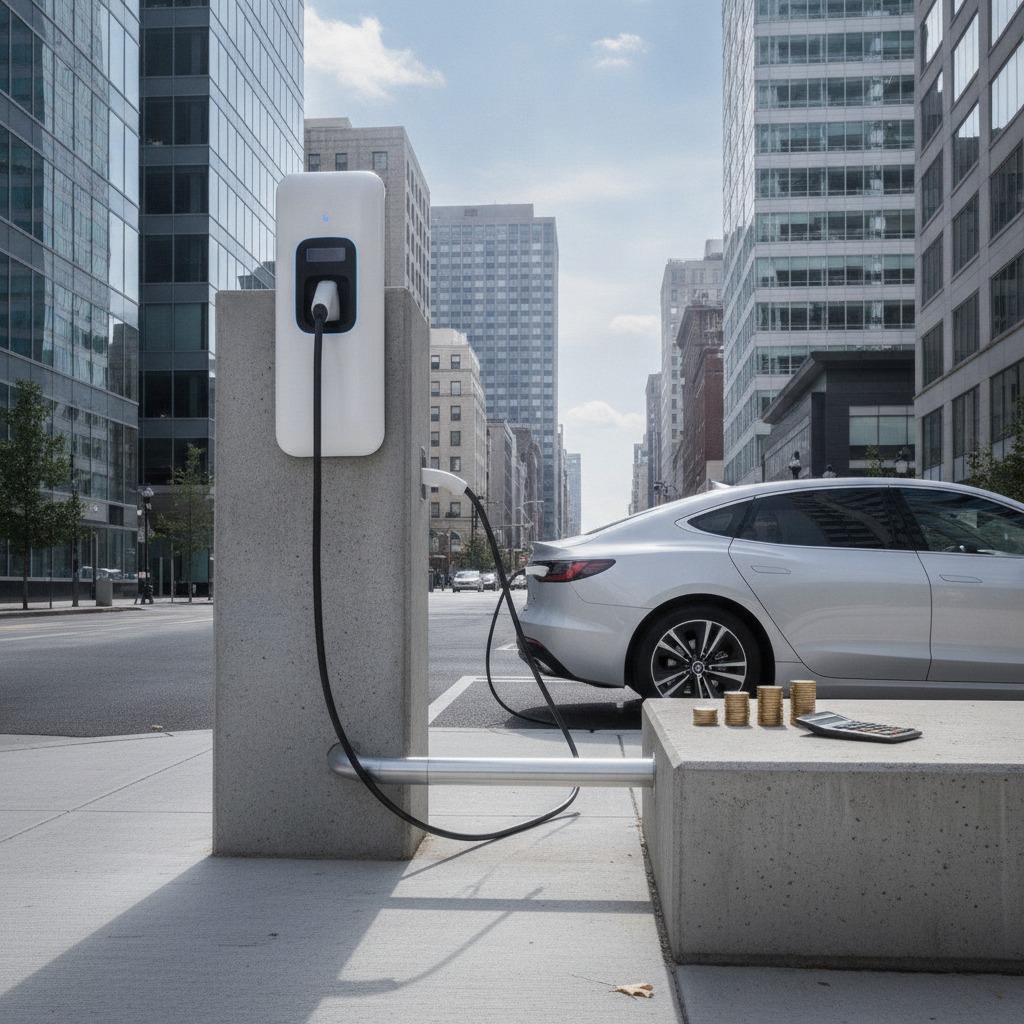
If you have ever searched for a flat price on EV Charging Station Installation Syracuse NY, you probably noticed the numbers jump all over the place. One quote lands at a few hundred dollars, another climbs into the thousands, and neither explains why. The truth is that a charger is only one piece of the bill. The real cost depends on what is happening behind your walls, how far the wire has to travel, what your electrical panel can handle, and whether you are powering one home vehicle or a row of customer stalls at a business.
This guide breaks the price down into plain pieces so you can read a quote with confidence. We will walk through the hardware, the labor, the wiring, the permits, and the quirks that tend to raise or lower the total for homeowners, small business owners, and developers. You will see where money commonly gets spent, where it can be saved, and which questions to ask before you sign anything. We are not going to invent a magic number, because honest pricing always starts with a site visit. Instead, you will learn the factors that actually move the total, so the number you eventually receive makes sense rather than feeling like a surprise.
Why There Is No Single Price Tag
Ask ten electricians what an installation costs and you will hear ten different answers, and all of them can be honest. That is because two properties that look identical from the street can have completely different electrical realities inside. One garage may sit ten feet from a roomy panel, while another sits across the house from a nearly full one.
Pricing is built from three broad buckets: the equipment itself, the labor and materials needed to connect it, and the overhead items like permits and inspections. Each bucket flexes based on your situation. A simple wall-mounted unit near an existing panel sits at one end of the spectrum, while a multi-stall commercial lot with trenching sits at the other.
Understanding EV charger setup and wiring costs early helps you set a realistic budget before you collect quotes. When you know which variables drive the total, you can compare bids fairly instead of simply choosing the lowest number, which sometimes leaves out work you will need anyway.
The Charger Hardware Itself
The charging unit is the most visible line item, yet it is rarely the largest. Home-style Level 2 chargers come in a range of prices depending on amperage, brand, build quality, and extras like Wi-Fi connectivity or a built-in cable holder. A basic plug-in or hardwired unit costs far less than a networked commercial model with payment processing and usage tracking.
When you compare units, think about what you will actually use. A household with one car that parks overnight does not need the fastest charger on the market, because a moderate output fully recharges most vehicles by morning. Paying for speed you cannot use is one of the easiest ways to overspend.
Businesses face a different decision. Customer-facing stations often need network features, access control, and rugged enclosures, all of which raise the hardware price. Developers building for tenants may prefer simple, durable units that are easy to maintain at scale. Whichever path you choose, ask whether the quote includes the unit or expects you to buy it separately, since that small detail changes the total more than many people expect.
Labor, Wiring, and Distance From Your Panel
Labor and materials often make up the bulk of a residential installation. The single biggest driver is distance. Every extra foot between your electrical panel and the charger adds copper, conduit, and time. A garage that shares a wall with the panel is far cheaper to wire than a detached garage across the yard.
Then there is the path the wire must take. Finished basements, tight attics, and masonry walls all slow an electrician down. Running cable through an open, unfinished garage ceiling is quick. Fishing it behind drywall, through a crawlspace, or under a patio takes more skill and more hours.
Reliable EV charging infrastructure depends on correctly sized wire, a dedicated breaker, and proper protection, not shortcuts. Cutting corners here creates safety risks and failed inspections later. A licensed electrician will size the circuit to your charger and local code, which keeps both your vehicle and your home protected over the long run.
Panel Capacity and Possible Upgrades
Your electrical panel is the heart of the project. Many older properties were built long before anyone imagined plugging in a car, so their panels may have limited spare capacity. If your service is already working hard to run heating, appliances, and lighting, adding a large continuous load may require changes.
An electrician performs a load calculation to see whether your existing service can safely take on a charger. Sometimes there is plenty of room and no upgrade is needed. Other times a subpanel, a service upgrade, or a smart load management device becomes the better answer, and each carries its own cost.
This is the line item that most often turns a modest estimate into a larger one, so it deserves attention up front. A load management device can sometimes let you avoid a full panel replacement by sharing power intelligently between the charger and other big appliances. Ask your contractor to explain the options and the tradeoffs, rather than assuming the most expensive path is the only one available.
Level 2 or Fast Charging: The Biggest Cost Divide
The type of charger you choose has a dramatic effect on the final price. Level 2 units run on a 240-volt circuit similar to an electric dryer and suit homes, workplaces, and many small businesses. DC fast chargers deliver much more power but demand heavy electrical service, specialized equipment, and a far larger investment.
For most homeowners and small businesses, Level 2 is the practical sweet spot. It is affordable to install, gentle on your electrical system, and fast enough for vehicles that sit for several hours. Fast charging makes sense mainly where drivers need quick turnaround, such as busy highway corridors.
If you are weighing the two, it helps to read Level 2 vs. DC Fast Charging: Which EV Station Fits Syracuse Drivers? before committing. Matching the charger to how people really park and drive saves you from overbuilding, which is one of the quietest ways projects blow past their budgets.
Older Homes and Hidden Surprises
Central New York has no shortage of charming older houses, and they come with charm and complications. Outdated wiring, cramped panels, and unusual construction can turn a straightforward job into a custom one. Knob-and-tube remnants, aluminum branch wiring, or an ungrounded system may need correction before a charger can be safely added.
These issues are not meant to scare you, only to prepare you. A careful electrician will inspect what is behind the walls and tell you plainly if something needs attention first. Fixing a problem during a charger install can actually be efficient, since the crew is already on site with tools and access.
If your home is on the older side, you may also be dealing with other aging electrical components at the same time. Our piece on What to Expect When Replacing Old Fixtures in Syracuse Older Homes shows how updates in one area often reveal needs in another, which is useful context when budgeting.
Permits, Inspections, and Paperwork
Permits are a small but real part of the total. Most jurisdictions require an electrical permit for a new dedicated circuit, and an inspection typically follows the work. Fees and timelines vary by municipality, so your electrician should tell you what applies to your address rather than guessing.
It can be tempting to skip permits to save a little money, but that is a poor trade. Unpermitted work can complicate home insurance claims, create trouble when you sell, and leave real safety issues undiscovered. A permitted, inspected installation gives you documentation and peace of mind.
Commercial and multi-unit projects add more steps, including plan review, utility coordination, and sometimes accessibility requirements for designated spaces. Building these into your timeline early prevents delays. A good contractor handles much of this paperwork for you, which is another reason to hire a licensed professional instead of treating the project as a weekend do-it-yourself job.
Cost Factors at a Glance
The table below summarizes the main factors that shape an installation quote and how each tends to affect the total. It is a general guide, not a price list, since every property is different.
| Cost Factor | Effect on Price | What to Ask |
|---|---|---|
| Charger type and features | Basic units cost less than networked models | Is the unit included in the quote? |
| Distance to panel | Longer runs add wire and labor | Where is the best mounting spot? |
| Panel capacity | Upgrades can raise the total noticeably | Is a load calculation included? |
| Trenching or outdoor runs | Adds excavation and conduit costs | How will the wire be protected? |
| Permits and inspection | Modest fee that varies locally | Who files the permit? |
Business and Developer Considerations
Commercial installations follow the same logic as residential ones, only multiplied. Each added stall means more wire, more breaker capacity, and often a bigger service. Developers planning for tenants or customers should think about future expansion, since running extra conduit now is far cheaper than tearing up pavement later.
Small business owners often ask whether chargers pay for themselves. They can attract customers, extend visit times, and set a location apart from competitors, though results depend on traffic and pricing strategy. Some owners offer free charging as an amenity, while others collect fees through a network platform.
Utility incentives and rebates may be available for qualifying projects, and these can meaningfully reduce your net cost. Programs change over time, so confirm current offerings directly with your utility and with state energy agencies rather than relying on outdated information. A knowledgeable contractor can point you toward what is worth pursuing for your particular property.
Weather and Outdoor Installation Details
Winters in upstate New York are no joke, and outdoor equipment has to endure snow, ice, road salt, and big temperature swings. Weather-rated enclosures, proper sealing, and corrosion-resistant hardware matter more here than in milder climates, and they can nudge the equipment cost upward.
Placement also affects price and convenience. A charger inside a garage is shielded from the elements and usually simpler to wire. A driveway or pole-mounted unit may require trenching, conduit, and extra protection, which adds labor and materials.
Think about snow removal too. Chargers mounted where plows or shovels will push heavy snow can get damaged, and cords left on the ground can freeze into the ice. Choosing a sensible location and a durable cable management setup protects your investment. These small design decisions rarely appear on a basic estimate, yet they decide whether your charger works smoothly in January or becomes a seasonal headache.
Getting an Accurate Quote Near Cicero
The most reliable way to learn your real cost is an on-site assessment. A licensed electrician can look at your panel, measure the run, check your wiring condition, and discuss your goals before putting a number in writing. Be cautious of quotes given blindly over the phone, since they cannot account for what lives inside your walls.
When you collect estimates, ask each contractor to itemize the equipment, labor, materials, permit fees, and any possible upgrades. Itemized quotes let you compare apples to apples and spot where one bidder quietly left something out. Residents in Cicero and the surrounding communities benefit from working with a local team that understands regional conditions and inspection practices.
Also confirm that the electrician is licensed and insured, and ask about warranty coverage on both the charger and the workmanship. If you would like to talk through your property with a professional, you can learn more here and request an assessment tailored to your situation.
Your Next Steps
Pricing for a charger project is never one number, and that is actually good news. It means the total responds to choices you control. The unit you select, the spot you mount it, the condition of your panel, and the permits involved all shape the bill, so understanding each piece puts you in the driver’s seat.
Start by deciding what you truly need. A household that parks overnight can usually thrive with a moderate Level 2 setup, while a business serving customers may want networked features and room to grow. Next, have a licensed electrician inspect your panel and wiring so surprises show up before work begins, not halfway through it.
Collect itemized quotes, compare them carefully, and check for utility incentives that could lower your out-of-pocket cost. Insist on permitted, inspected work, since it protects your safety, your insurance, and your property value. Finally, plan for winter by choosing weather-rated equipment and a sensible mounting location.
If you do these things, the cost of getting set up stops feeling like a mystery and starts feeling like a smart, manageable investment. Whether you are charging one car in a garage or preparing a lot for customers and tenants, a clear plan and a trustworthy electrician make the difference between a project that simply works and one that works well for years to come.