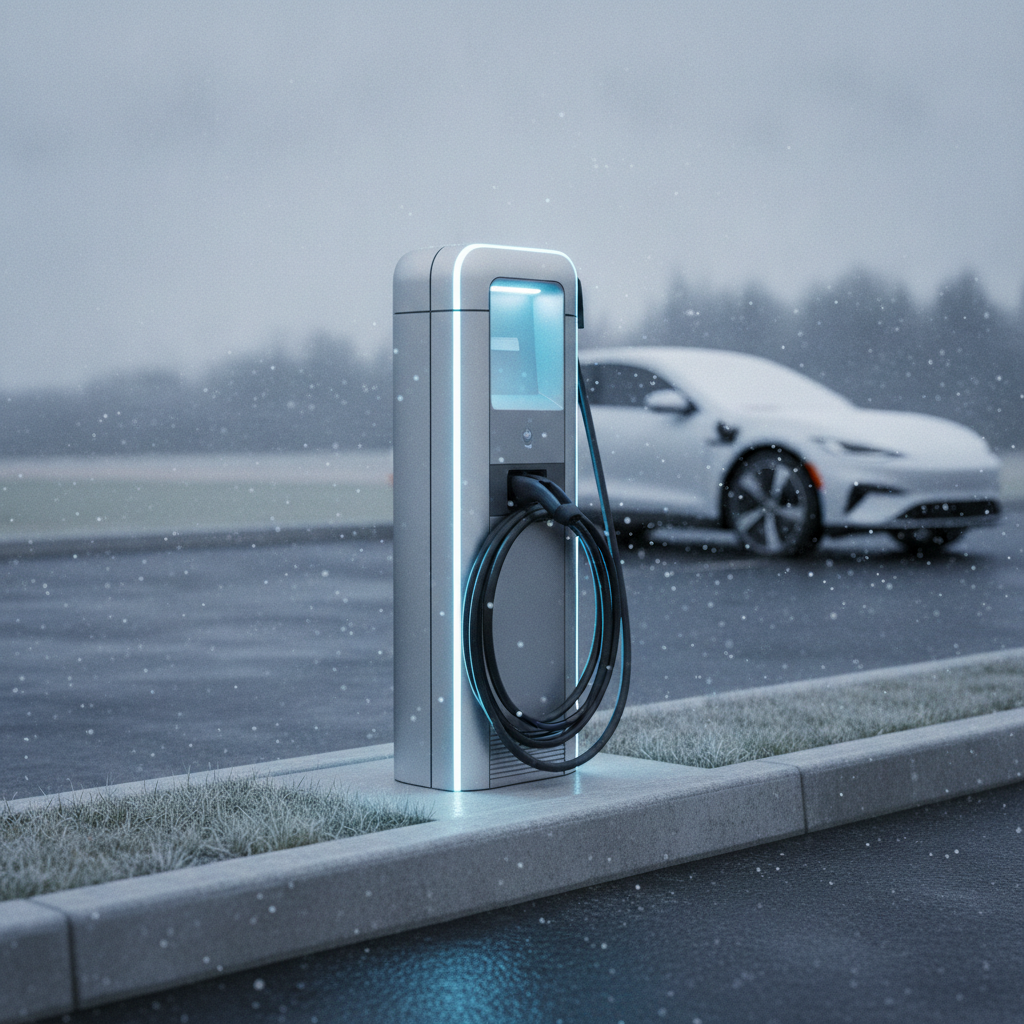
Anyone who has scraped ice off a windshield in January knows that Central New York weather does not play nice with outdoor equipment. Lake-effect snow, freezing rain, road salt spray, and sudden swings from a warm afternoon to a hard overnight freeze all put stress on anything bolted to a wall or planted in a parking lot. An EV charger is no exception. It is an electrical device that lives outside, runs at high current, and has to work reliably on the coldest morning of the year when a driver needs it most.
That is why EV Charging Station Installation Syracuse NY projects should start with a hard look at durability, not just charging speed or a sleek app. Two chargers can deliver the same kilowatts on paper and behave completely differently after three winters of salt, moisture, and thermal cycling. One keeps humming along. The other develops cracked housings, fogged displays, corroded pins, and nuisance trips that leave drivers stranded.
This guide is written for small business owners, property developers, and homeowners who want to buy once and buy right. We will walk through enclosure ratings, operating temperature ranges, cable and connector design, mounting choices, surge protection, and maintenance habits that protect your investment. You will also see a quick comparison table and a practical checklist you can bring to any vendor conversation. Think of it as a field guide to choosing equipment that shrugs off a Syracuse winter instead of surrendering to it.
Why Syracuse Weather Is Hard on Outdoor Chargers
Syracuse regularly ranks among the snowiest large cities in the country, and that snowfall is only part of the story. The real enemy is variety. A single week can bring heavy wet snow, a thaw, rain, and a flash freeze, which means moisture gets into small gaps and then expands as ice. Repeated freeze and thaw cycles pry at seals, gaskets, and cable entries until a once tight enclosure starts to leak.
Road salt adds a second layer of trouble. Salt spray travels farther than most people expect, coating wall units near driveways and pedestal chargers at the edge of lots. Over time it attacks metal screws, mounting plates, and connector contacts. Add summer humidity, occasional severe thunderstorms, and long stretches of sun exposure that make plastic brittle, and you have a full calendar of stress. EV charging equipment that was designed for a mild coastal climate may simply not be built for this combination, so local conditions deserve a place at the top of your buying criteria.
Decoding Enclosure Ratings Like NEMA 3R and NEMA 4
Every outdoor charger should carry an enclosure rating, and the letters and numbers matter. In North America, the NEMA system describes how well a housing keeps out rain, ice, dust, and sometimes corrosion. NEMA 3R covers rain, sleet, and external ice formation, which makes it a reasonable baseline for sheltered locations. NEMA 4 goes further, protecting against windblown dust and hose-directed water, and NEMA 4X adds corrosion resistance, which is especially attractive where road salt is a factor.
You may also see IP ratings, such as IP54 or IP65. The first digit speaks to solid particles and the second to water. A higher second digit generally means stronger resistance to splashing or jetting water. When comparing products, do not accept a vague claim like “weatherproof.” Ask for the exact rating, confirm it applies to the whole unit including the connector holster, and check whether the rating was independently tested or simply self declared. A charger in an open lot that faces driving snow deserves a tougher rating than one under a garage overhang.
Operating Temperature Range and Cold-Start Performance
A charger can be perfectly sealed and still fail if its electronics are not rated for deep cold. Check the published operating temperature range on the spec sheet, and look for a lower limit that comfortably clears the coldest nights Central New York can produce. Many quality units are rated well below zero Fahrenheit, but cheaper imports sometimes list far narrower ranges that look fine in a showroom and fall apart in February.
Cold weather affects more than the circuit boards. Touchscreens can become sluggish, LCD displays can ghost, and internal relays may stick if lubricants thicken. Some commercial models include internal heaters that keep sensitive components within a safe range, which is worth the modest extra cost for public or fleet use. Ask vendors how the unit behaves during a cold start, whether it self tests on wake up, and whether there is a documented history of winter performance. Real world cold weather data from other northern installations is far more convincing than a marketing brochure.
Cables, Connectors, and the Fight Against Ice
The cable and connector are the parts drivers touch every day, and they take the most abuse. In freezing conditions, cheap cable jackets stiffen, crack, and become difficult to coil. Look for jackets rated for low temperature flexibility and resistance to oil, UV, and abrasion. A cable that stays pliable at low temperatures is easier on drivers and far less likely to develop hidden internal breaks.
Connector design matters just as much. A good holster keeps water from pooling in the plug when it is parked, and a spring loaded cover protects the pins. Ice buildup on a connector face is a common winter complaint, so a design that drains freely and wipes clean is a real advantage. Cable management also counts. A retractor or overhead boom keeps the cable off the ground, away from plows, salt slurry, and tires. Proper weather-resistant EV charger installation includes thoughtful cable routing so the hardware stays clean, dry, and out of harm’s way between charging sessions.
Wall-Mount, Pedestal, or Canopy: Matching Hardware to Exposure
Where the charger sits shapes which model makes sense. A wall mounted unit inside an attached garage is protected from most weather, so a standard rating may be enough. The same unit on an exterior wall facing a driveway sees wind driven snow and salt spray, which calls for a sturdier enclosure. Pedestal chargers in open lots take the harshest exposure of all, since they are surrounded by weather on every side and sit low where plows throw slush.
Consider adding a canopy or small roof overhang above exterior units. Even a simple shield reduces ice accumulation, keeps snow off the screen, and gives drivers a drier place to plug in. For businesses, planning the layout around snow removal is essential. If you are mapping out spaces at scale, our related guide on How to Prepare a Syracuse Parking Lot for Public EV Charging covers the site side of the equation, while this article stays focused on the hardware that will live there.
Materials That Resist Corrosion and UV Damage
The materials used in a charger’s housing and hardware largely determine how it ages. Powder coated aluminum and stainless steel resist rust well, while painted mild steel can bubble and flake once salt gets under the finish. Plastic housings are common and perfectly acceptable, provided they are UV stabilized. Unstabilized plastic can yellow, chalk, and crack after repeated sun exposure, even in a region known more for clouds than sunshine.
Do not overlook the small parts. Mounting screws, brackets, and conduit fittings should be stainless or otherwise corrosion resistant, because a rusted fastener can compromise a seal or make future service difficult. Gaskets should be made from compounds that stay flexible in the cold rather than hardening and shrinking. A quick inspection of a demo unit tells you a lot. Run a finger along seams, look at how the door closes, and check whether the finish feels thick and even. Quality shows in the details that rarely make it into a spec sheet.
Surge Protection and Electrical Safeguards for Storm Season
Weather resistance is not only about water and cold. Thunderstorms and utility switching events can send voltage spikes through a building, and a charger is a sensitive piece of electronics connected directly to the service. Built in surge protection is a valuable feature, and adding a dedicated surge protective device at the panel gives another layer of defense. Together they reduce the chance that a storm turns an expensive charger into a paperweight.
Ground fault protection deserves attention too. Wet conditions increase the risk of leakage, so a charger with integrated ground fault detection and a properly rated breaker is essential. Proper grounding and bonding are not optional, and they should be done to the current National Electrical Code and any local amendments. Because wiring decisions have safety and warranty implications, this is firmly a job for licensed professionals. Cutting corners on protection may save a little upfront and cost far more after the first major storm.
Weather Features Compared at a Glance
The table below summarizes the weather related features worth comparing when you evaluate different charger types. Use it as a starting point rather than a substitute for manufacturer specifications, since ratings vary by model.
| Feature | Basic Residential Unit | Commercial Outdoor Unit |
|---|---|---|
| Typical enclosure rating | NEMA 3R or similar | NEMA 4 or 4X |
| Cold weather design | Wide range on better models | Often includes internal heating |
| Cable handling | Wall hook or holster | Boom, retractor, or managed holster |
| Corrosion resistance | Coated plastic or aluminum | Stainless or heavy duty coating |
| Best placement | Garage or covered wall | Open lots and public areas |
Why Local Installation Experience Matters in Cicero and Beyond
Even the toughest hardware performs poorly if it is installed badly. Installers who work in this region every year know where water collects, how deep frost penetrates, and how plows and snowblowers treat anything in their path. They also understand how seasonal conditions vary between city lots and more open suburban areas like Cicero, where wind exposure and drifting can differ from downtown sites.
Details such as drip loops, sealed conduit entries, proper mounting height, and bollard protection are small choices that add up to years of trouble free service. When you are weighing options for a project, working with a team that offers EV Charging Station Installation in Syracuse, NY gives you someone who has seen how equipment holds up locally and can recommend models accordingly. Ask potential installers for photos of past winter installations and whether they follow manufacturer mounting guidance, since improper installation can quietly void a warranty.
Capacity and Planning for Future Growth
Weather hardy equipment is only useful if the electrical system behind it is ready. Before you commit to hardware, confirm that your panel, wiring, and utility service can handle the load, not just for one charger but for the additional units you might add later. Choosing durable equipment and then discovering a capacity shortfall is a frustrating and expensive way to learn the lesson.
Thinking ahead also helps with product selection. Models that support load sharing, firmware updates, and modular expansion tend to age better than closed systems. If you expect to add chargers as demand grows, it pays to read up on whether Can Your Syracuse Electrical Service Support Multiple EV Chargers? applies to your building before you finalize a purchase. Planning once for the full build out is usually cheaper than retrofitting a second and third charger onto a system that was sized only for the first.
Maintenance Habits That Extend Charger Life
Even a well built charger benefits from a little seasonal attention. A simple routine goes a long way in a climate this demanding, and most of it takes only minutes. Consider building the following checks into your calendar:
- Wipe road salt and grime off the housing, screen, and connector face after heavy winter storms.
- Inspect cable jackets for cracks, kinks, or flattened sections, especially after plowing season.
- Check that gaskets and covers close fully and show no gaps, and keep snow and ice cleared from around the unit.
- Look for rust on mounting hardware and test the ground fault feature according to the manufacturer’s guidance.
- Keep firmware current, since updates often improve cold weather behavior and reliability.
Avoid pressure washing a charger unless the manufacturer says it is safe, because forced water can defeat seals. If something looks wrong, such as repeated trips, error codes, or visible water inside, stop using the unit and call a licensed electrician rather than guessing.
Your Next Steps
Choosing a charger for Central New York is really about choosing for the worst day of the year, not the best one. Start by matching the enclosure rating to your exposure, then confirm the operating temperature range, cable flexibility, and corrosion resistant materials. Add surge and ground fault protection, protect the cable from plows and slush, and consider a canopy for exposed locations. Each of these decisions is small on its own, but together they separate a charger that lasts a decade from one that struggles by its third winter.
Before you buy, gather a short list of questions for every vendor and installer. What is the exact enclosure rating? What is the cold weather limit? How is the cable managed? What does the warranty say about outdoor installation? Does the electrical service have room to grow? Clear answers to those five questions will tell you more than any glossy brochure. Treat the purchase as long term infrastructure, plan for growth, and keep up with simple seasonal care. Do that, and your chargers will keep drivers moving through lake-effect storms, salt season, and everything else this region throws at them, while protecting the money you invested in getting set up properly.