
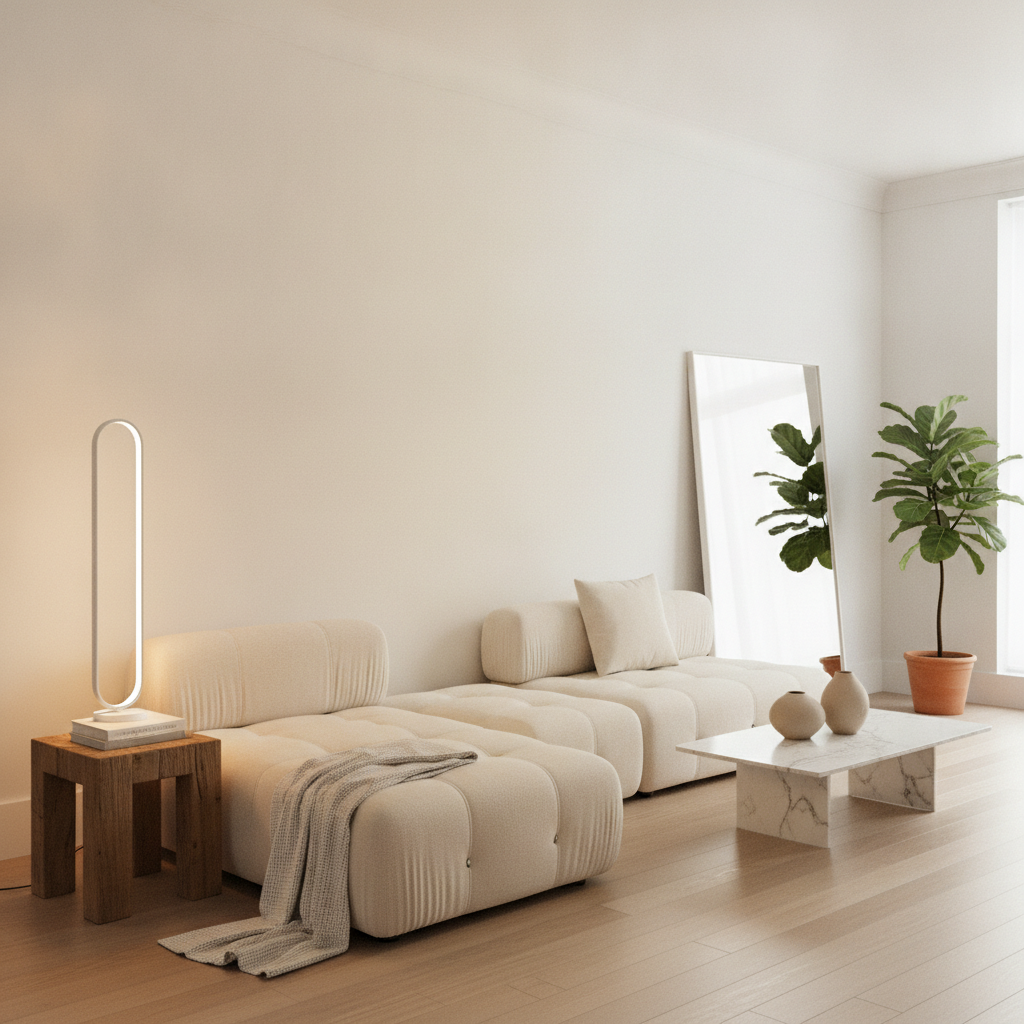
Walk into two homes with the exact same fixtures and you can feel completely different moods. One feels like a cozy cabin, the other like a dentist’s office. The difference usually comes down to one number printed on a bulb box: color temperature. If you are planning a lighting installation in Cicero, this single specification can shape how every room looks, feels, and functions long after the work is done.
Color temperature describes the warmth or coolness of white light, measured in Kelvin (K). Lower numbers glow amber and relaxed, while higher numbers look crisp, bluish, and energizing. It has nothing to do with how hot a bulb gets, and it is not the same as brightness. A dim bulb can be cool, and a very bright bulb can be warm.
Many homeowners fixate on lumens and wattage while ignoring Kelvin, then wonder why a freshly lit kitchen feels harsh or a new bedroom feels like a warehouse. Getting it right is not complicated once you understand a few principles. This guide walks through how Kelvin works, which ranges suit which rooms, how Central New York’s long gray winters change the equation, and how to avoid the mismatched, patchy look that comes from mixing bulbs carelessly. Whether you are a homeowner, a landlord, or a small business owner outfitting a customer-facing space, you will leave with a practical framework for choosing confidently.
What Color Temperature Actually Means
Think of a flame. A candle burns around 1,900K and looks orange. A clear midday sky sits above 6,000K and looks blue-white. Lighting manufacturers borrow this scale to describe how a bulb’s white light appears, and the system is surprisingly intuitive once you flip your assumptions: lower is warmer, higher is cooler.
Most residential bulbs fall between 2,200K and 6,500K. Anything below roughly 3,000K reads as warm, the 3,500K to 4,100K band feels neutral, and 5,000K and above is considered daylight. When you plan a Lighting Installation Cicero homeowners can rely on, the electrician will often ask about Kelvin before fixture style, because the right number decides whether the finished space feels inviting or clinical.
One more distinction matters: color temperature is separate from color rendering index (CRI), which measures how accurately a bulb shows true colors. A high CRI bulb at the right Kelvin makes food, skin tones, and paint look the way you intended.
The Kelvin Scale in Everyday Terms
Numbers are easier to use when you attach them to familiar sensations. Here is a plain-language translation you can keep in your head while shopping or talking with your electrician.
- 2,200K to 2,700K: Soft amber, like candlelight or an old incandescent bulb. Relaxing and intimate.
- 3,000K: Warm white. Friendly and clean without looking yellow. A popular all-purpose choice.
- 3,500K to 4,000K: Neutral white. Crisp but not cold, good for working spaces.
- 5,000K to 6,500K: Daylight. Very bright and bluish, best for tasks demanding sharp detail.
If you are unsure, 3,000K is the safest starting point for most living areas. It is warm enough to feel welcoming yet clean enough that white walls and trim do not look dingy. From there you can nudge warmer for bedrooms or cooler for workspaces based on how you actually use each room.
Warm Light for Living Rooms and Bedrooms
Rooms built for relaxing deserve light that tells your body it is time to slow down. Warm tones between 2,200K and 2,700K mimic the glow of sunset and firelight, which people instinctively associate with comfort. In a bedroom, this range supports winding down, while in a living room it makes wood floors, textiles, and furniture look richer.
A smart approach is layering. Use a warm overhead or ceiling fixture for general illumination, then add table lamps, wall sconces, or dimmable accent lights at the same warmth. Pairing this with a dimmer lets you shift from bright evening activity to soft nighttime ambience without swapping a single bulb.
Many households also love dim-to-warm bulbs, which naturally shift from about 3,000K at full brightness toward 2,200K as you lower the dimmer, mimicking the behavior of old incandescent lamps. They cost a bit more but deliver that cozy glow without any manual adjustments, which is why they have become a favorite in bedrooms and reading nooks.
Kitchens, Baths, and Task-Heavy Spaces
Spaces where you chop vegetables, apply makeup, or shave need light that reveals detail. That is where neutral white in the 3,500K to 4,000K range earns its keep. It renders colors more accurately than very warm bulbs and avoids the sterile feel of full daylight.
In kitchens, many homeowners choose 3,000K to 3,500K to balance function with comfort, especially when cabinets and countertops have warm finishes. Under-cabinet strips are worth special attention, since they sit close to work surfaces and strongly influence how food and counters look. Matching them to the overhead fixtures keeps the room from looking patchy.
Bathrooms deserve extra care around the mirror. Light that is too warm can make skin look sallow, while light that is too cool can look unflattering and harsh. Aim for a neutral to soft white and a high CRI of 90 or above so you see true tones. If you are comparing mood-driven choices for a different room, the same thinking applies to a dining space, which you can explore in this guide on Cicero Lighting Installation for Dining Rooms: Creating the Right Mood for Every Occasion.
How Central New York Winters Change Your Choice
Anyone who has lived through a Central New York winter knows how many days pass under a thick gray sky. Natural daylight in the region is limited from November through March, and the little that enters a room tends to look cool and flat. Your artificial light has to do more heavy lifting than it would in a sunnier climate.
That reality is a good argument for leaning warm in social and living areas. When the outdoor light is cold and bluish, warm interior bulbs create a pleasant contrast and make a home feel like a refuge. On the other hand, spaces where you need alertness, such as a basement workshop or mudroom, may benefit from slightly cooler light to counter the sleepy effect of short days.
Some people also find that cooler, brighter light during morning hours helps them feel more awake in winter. Rather than committing to one extreme, consider tunable white fixtures that let you adjust Kelvin through the day. This flexibility can be especially valuable in homes with limited windows or heavy tree cover.
Quick Reference Table by Room
Use the table below as a starting point. These are general guidelines rather than strict rules, and personal preference matters. When in doubt, test a single bulb in the room for a few evenings before committing to a full set.
| Room or Space | Suggested Kelvin Range | Resulting Feel |
|---|---|---|
| Bedroom | 2,200K to 2,700K | Calm and restful |
| Living Room | 2,700K to 3,000K | Welcoming and cozy |
| Kitchen | 3,000K to 4,000K | Clean and functional |
| Bathroom | 3,000K to 4,000K | True skin tones |
| Garage or Workshop | 4,000K to 5,000K | Bright and alert |
| Exterior Entryways | 2,700K to 3,000K | Inviting and safe |
Matching Color Temperature Across Fixtures
Nothing undermines a new lighting project faster than bulbs that do not match. A single 2,700K lamp beside a 4,000K recessed fixture can make walls look streaky and furniture look discolored. Consistency within a room, and ideally within connected sight lines, creates the polished look professionals aim for.
Open floor plans make this especially important. When a kitchen, dining area, and living room share the same space, a sudden jump in Kelvin from one zone to the next reads as an error. Pick one primary color temperature for the whole open area, then use dimming and layering to create variety instead of mixing wildly different bulbs.
Also remember that LED bulbs from different brands labeled with the same Kelvin can still look slightly different. Buy all bulbs for a room from the same product line and batch when possible, and keep a spare or two so future replacements stay consistent. Working with a qualified provider of Lighting Installation Electrician in Syracuse, NY services helps ensure the fixtures, drivers, and bulbs are specified to work together from the start.
Dimmers, Tunable White, and Smart Controls
Fixed color temperature is perfectly fine for many homes, but adjustable options open up real flexibility. Dimmers change brightness, and with certain dim-to-warm LEDs they also shift color as the light lowers. Tunable white fixtures go further, letting you choose any Kelvin within a range, often from around 2,700K to 5,000K.
Smart systems can automate these changes, brightening and cooling light in the morning, then gradually warming it toward evening. Households with shift workers, remote workers, or young kids often appreciate being able to match light to activity instead of living with a single compromise setting.
One practical caution: not every bulb works with every dimmer. Incompatible pairings cause flickering, buzzing, or limited dimming range. Having the controls and fixtures selected together, and installed to code, prevents these irritating surprises. A licensed electrician can confirm compatibility before the wall plates go on, saving you from returns and frustration later.
Choosing Color Temperature for Small Businesses
If you run a shop, studio, office, or restaurant, color temperature becomes part of your brand. A boutique selling warm leather goods looks richer under 2,700K to 3,000K, while a bakery display case can glow invitingly in that same range. Clinics, salons, and workspaces that need accuracy often prefer 3,500K to 4,000K for clean visibility without feeling cold.
Hospitality spaces deserve special thought, since guests judge comfort within seconds. Lobbies and dining areas typically lean warm, while corridors and parking areas lean neutral for safety and visibility. If your property also serves drivers, planning your lighting alongside other electrical upgrades can save on labor, such as the considerations covered in EV Charging Station Installation for Syracuse Hotels and Hospitality Businesses.
Whatever the business, test before you commit. Lighting a sample area and viewing it at different times of day reveals problems that a catalog never will.
Common Mistakes to Avoid When Picking Kelvin
Even careful buyers fall into predictable traps. Knowing them in advance keeps your project on track and your budget intact.
- Going too cool throughout the house: Daylight bulbs at 5,000K or higher look great in a shop but feel stark in living spaces.
- Ignoring paint and finishes: Warm light can turn cool gray walls muddy, while cool light can wash out warm beige tones.
- Mixing temperatures in one room: Inconsistent bulbs create a patchy, accidental look.
- Skipping CRI: A bulb at the right Kelvin but a low CRI still makes colors look dull.
- Judging only in the store: Showroom lighting differs from your home, so always test in place.
Another frequent error is assuming the packaging label tells the whole story. Words like soft white, bright white, and daylight are marketing terms that vary by brand. Always check the actual Kelvin number printed on the box.
A Simple Process for Testing Before You Commit
The most reliable way to choose is to see the light in your own space. Buy one bulb each of two candidate temperatures, such as 2,700K and 3,000K, and place them in matching lamps. Compare them in the evening and again in the morning, since your eyes judge warmth differently depending on surrounding daylight.
Pay attention to how your paint, flooring, and furniture respond. Hold up a white sheet of paper and a few fabric swatches under each bulb. Notice whether the paper looks creamy or crisp, and whether wood tones look rich or washed out. Ask everyone who uses the room for their reaction, since a choice that suits you may feel odd to a partner or tenant.
Once you settle on a number, write it down and share it with your electrician before ordering fixtures. This small step prevents the common situation where integrated LED fixtures arrive locked into the wrong color temperature. Clear communication up front keeps the project smooth and your results consistent room to room.
Final Thoughts
Color temperature is one of the quietest decisions in any lighting project, yet it shapes nearly everything about how a space feels. Warm light in the 2,200K to 3,000K range suits relaxing rooms, neutral white around 3,500K to 4,000K supports kitchens and workspaces, and cooler daylight tones belong in places that demand alertness and detail. Matching bulbs, choosing a high CRI, and testing in your own home will do more for your results than spending extra on fancy fixtures.
Consider the climate too. Long, gray Central New York winters make warm, layered lighting especially valuable in the rooms where families gather, while tunable or dimmable options give you flexibility as seasons and routines change. For small business owners, the right Kelvin quietly reinforces brand and keeps customers comfortable.
If you want the whole process handled correctly, from fixture selection to wiring, dimmer compatibility, and clean installation, working with a licensed team makes a real difference. The professionals at Neave Electric Inc can help you match the right color temperature to every room and install it safely and to code. Start with a few test bulbs, write down your preferred Kelvin for each space, and bring that list to your next consultation. Your future evenings will thank you.