
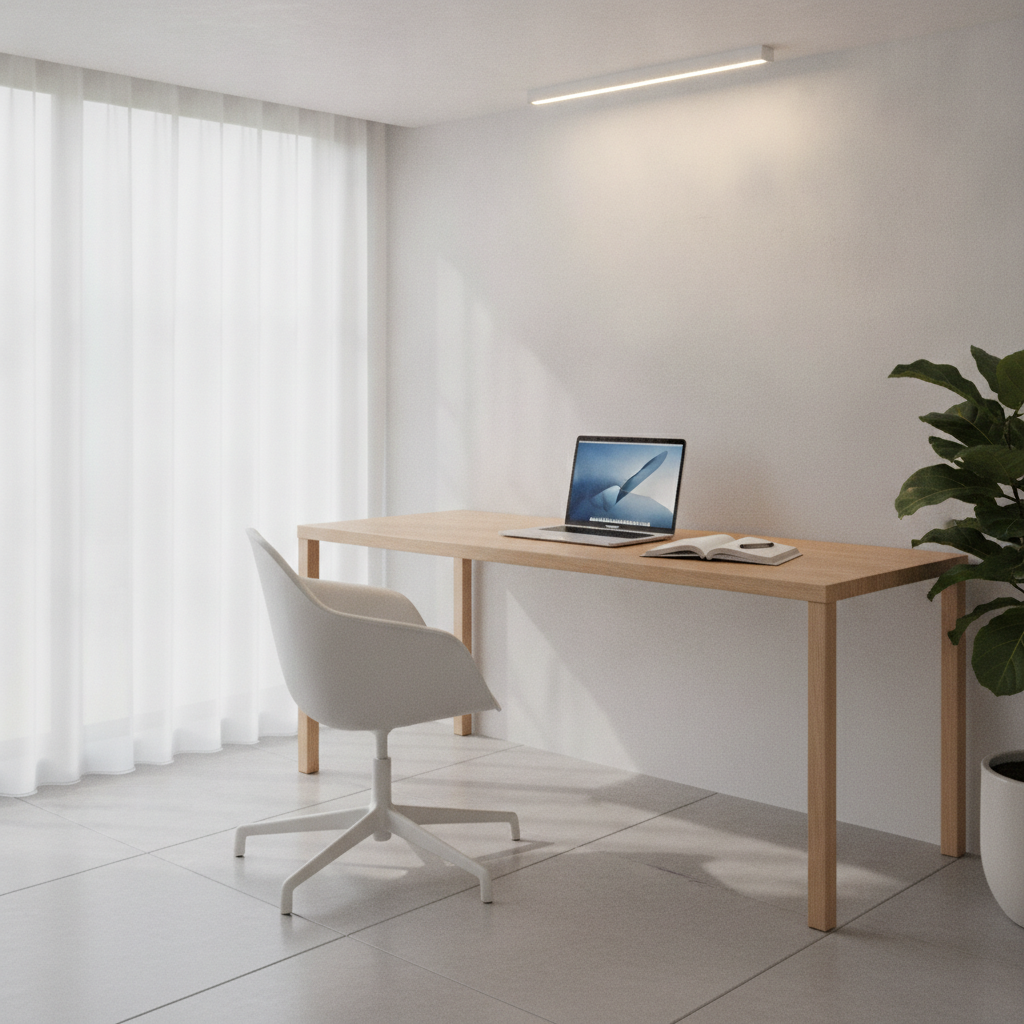
Creating a productive home office starts with more than just a sturdy desk and a comfortable chair. Lighting installation in Cicero homes is an often-overlooked factor that can dramatically affect your ability to focus, reduce eye strain, and keep your energy up throughout the workday. Whether you are a small business owner, a developer working remotely, or simply someone who wants to make the most of your workspace, understanding how to optimize your lighting can make a world of difference. The right lighting setup helps you avoid glare on screens, minimizes distractions, and supports your health and productivity. In this guide, we’ll explore practical strategies for reducing glare, choosing the best fixtures, and creating a lighting plan that supports your workflow. From fixture selection to smart controls, you’ll discover actionable tips to transform your home office into a space where focus comes naturally.
Why Lighting Matters for Home Office Productivity
Lighting is more than just an aesthetic choice, it’s a key factor in how well you work. Poor lighting can cause headaches, fatigue, and even lower your motivation over time. When your workspace is too dim, your eyes work harder, leading to strain and discomfort. On the other hand, harsh overhead lights or direct sunlight can create glare on your computer screen, making it difficult to see and concentrate. By investing in a professional lighting installation, you can create a balanced environment that supports sustained productivity. Companies like Neave Electric Inc understand how to tailor lighting solutions to fit your specific needs, ensuring your home office is both functional and comfortable for long work sessions.
Understanding Glare and Its Impact on Focus
Glare is a common enemy of productivity in home offices. It occurs when an intense light source, such as a window or an unshielded bulb, reflects off your computer screen or other surfaces, making it hard to see clearly. This visual discomfort can quickly sap your concentration and lead to eye fatigue. Effective lighting installation addresses glare by positioning fixtures thoughtfully and using diffusers or shades to soften harsh light. For those aiming at improving focus in home offices, it’s essential to consider both natural and artificial light sources. Adjusting the angle of your desk, choosing matte finishes for work surfaces, and installing adjustable blinds are practical steps to minimize glare and maximize comfort.
Choosing the Right Fixtures for Your Workspace
Selecting the ideal lighting fixtures is crucial for creating a well-lit, inviting workspace. Desk lamps with adjustable arms allow you to direct light exactly where you need it, reducing shadows and eye strain. Overhead fixtures should provide even, diffused light without creating hotspots or dark corners. Wall-mounted sconces or under-cabinet lights can add layers of illumination, making your office feel brighter and more dynamic. Consulting a Lighting Installation Electrician in Syracuse, NY can help you navigate the wide range of fixture options and choose those that best fit your work habits and room layout. The right combination of ambient, task, and accent lighting will transform your office into a space where you can focus and thrive.
Layered Lighting: Balancing Ambient, Task, and Accent Light
A single overhead light is rarely enough for a productive home office. Layered lighting combines ambient, task, and accent sources to create a balanced and flexible environment. Ambient lighting provides general illumination, while task lighting focuses on your work area, and accent lighting adds visual interest. For example, pairing a ceiling fixture with a desk lamp and a bookshelf spotlight can reduce eye strain and minimize glare. This approach allows you to adjust the lighting throughout the day as your needs change. If you’re interested in expanding your knowledge about lighting for other spaces, explore topics like Cicero Lighting Installation for Dining Rooms: Creating the Right Mood for Every Occasion to see how layered lighting principles apply across the home.
Smart Controls and Automation for Modern Home Offices
Smart lighting controls are revolutionizing the way we illuminate our workspaces. With dimmers, timers, and voice-activated systems, you can easily adjust brightness and color temperature to match your mood or the time of day. Automated schedules help maintain a consistent routine, which is key for staying focused during long work hours. Some smart systems even integrate with other home devices, allowing you to create custom scenes for meetings, brainstorming, or relaxation. For those interested in advanced technology, resources like Smart EV Chargers in Syracuse: Wi-Fi, Apps, and Energy Monitoring Explained highlight the growing role of smart solutions in everyday life. Upgrading to smart lighting not only boosts productivity but also adds convenience and energy savings to your home office.
Natural Light: Harnessing Daylight Without the Distractions
Natural light is a powerful ally in any workspace, boosting mood and alertness. However, too much sunlight can introduce glare and unwanted heat. To strike the right balance, position your desk perpendicular to windows rather than directly facing or backing them. Use adjustable blinds or sheer curtains to diffuse harsh rays while still letting in daylight. Window films can also help filter UV light and reduce reflections on screens. For those in the area, taking advantage of the region’s daylight hours can help reduce reliance on artificial lighting, saving energy and creating a more pleasant work atmosphere. Remember, the goal is to enjoy the benefits of sunlight without letting it disrupt your workflow or comfort.
Color Temperature: Setting the Tone for Focus and Comfort
The color temperature of your lighting plays a significant role in how you feel and perform in your home office. Cooler, bluish-white lights (around 4000K-5000K) are ideal for tasks requiring focus and alertness, mimicking daylight and keeping you energized. Warmer tones (2700K-3000K) are better suited for relaxation and winding down. Mixing color temperatures within your layered lighting setup can help you transition from focused work to creative brainstorming or evening tasks. Many modern bulbs and fixtures offer adjustable color temperature, giving you flexibility throughout the day. Consider your typical work schedule and personal preferences when selecting bulbs, and don’t hesitate to experiment until you find the combination that best supports your productivity and comfort.
Ergonomics and Lighting: Preventing Eye Strain and Fatigue
Proper lighting is a key component of ergonomic office design. Poorly placed fixtures or inadequate illumination can force you to squint, hunch, or shift awkwardly, leading to discomfort over time. To prevent eye strain, ensure your primary work area is evenly lit, with task lights positioned to avoid casting shadows from your dominant hand. Take advantage of adjustable desk lamps and monitor arms to fine-tune your setup. Remember to follow the 20-20-20 rule: every 20 minutes, look at something 20 feet away for 20 seconds to reduce eye fatigue. Combining ergonomic furniture with an optimized lighting plan helps you maintain good posture, stay comfortable, and remain productive throughout the day.
Energy Efficiency: Saving Power Without Sacrificing Quality
Energy-efficient lighting is both environmentally friendly and cost-effective. LED bulbs consume significantly less power than traditional incandescent or fluorescent options, last longer, and generate less heat. When planning your home office lighting, opt for fixtures that are compatible with LED technology and consider installing dimmers to further reduce energy usage. Motion sensors or smart controls can automatically turn lights off when the room is unoccupied, helping you save even more. By making energy efficiency a priority, you can enjoy a well-lit workspace without worrying about rising utility bills. Many homeowners in this community are making the switch to sustainable lighting solutions, contributing to a greener and more efficient neighborhood.
Troubleshooting Common Home Office Lighting Issues
Even with careful planning, lighting problems can arise in any home office. Flickering bulbs, uneven illumination, or persistent glare can disrupt your work and reduce comfort. Start by checking for loose connections or incompatible bulbs, and replace any outdated fixtures with modern, energy-efficient alternatives. If you notice shadows or dark spots, add supplemental task lighting or reposition your desk to take advantage of available light. For persistent glare, experiment with different window treatments or screen filters. Don’t hesitate to consult a local professional if issues persist, as they can offer tailored solutions based on your specific workspace and needs. A proactive approach to troubleshooting ensures your home office remains a productive and inviting environment.
| Lighting Type | Best For | Key Benefits |
|---|---|---|
| Ambient Lighting | General Illumination | Reduces eye strain, creates balanced light |
| Task Lighting | Focused Work Areas | Minimizes shadows, improves visibility |
| Accent Lighting | Decorative & Highlighting | Adds depth, reduces monotony |
| Natural Light | Daytime Illumination | Boosts mood, saves energy |
| Smart Lighting | Automated Control | Customizable, increases convenience |
Lighting Installation Cicero: Local Expertise for Better Results
When it comes to lighting installation, Cicero residents benefit from working with local professionals who understand the unique challenges of home office setups in this city. Experienced electricians can assess your space, recommend the best fixtures, and ensure all wiring and controls are up to code. They can also help you integrate smart systems, maximize energy efficiency, and troubleshoot any issues that arise. By partnering with a trusted local provider, you gain peace of mind knowing your home office lighting is both safe and optimized for productivity. Whether you’re upgrading an existing space or designing a new one, expert guidance makes all the difference in achieving the perfect balance of comfort, focus, and style.
Final Thoughts
A well-lit home office is essential for maintaining focus, reducing eye strain, and supporting your overall well-being. By understanding the principles of glare reduction, layered lighting, and smart controls, you can create a workspace that truly works for you. Remember to consider the importance of color temperature, energy efficiency, and ergonomic design as you plan your lighting installation. Whether you’re a business owner, a developer, or simply someone working from home, investing in quality lighting pays dividends in productivity and comfort. Don’t hesitate to seek local expertise to ensure your setup is tailored to your needs. With the right approach, your home office can become a place where you feel energized, inspired, and ready to tackle any task.